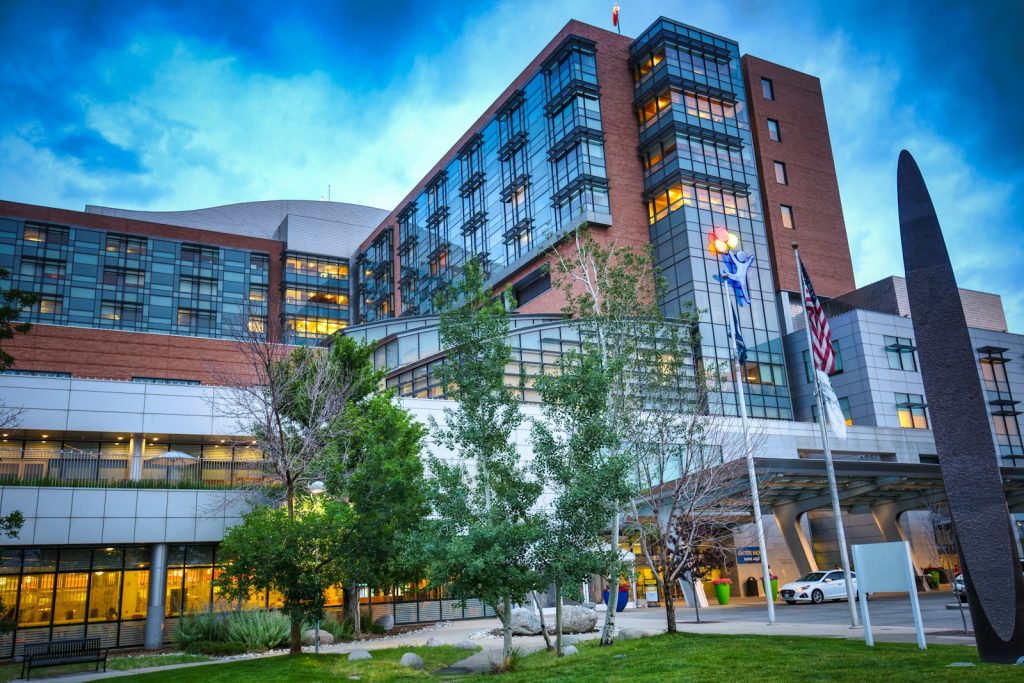
Medical tourism Sanur SEZ — formally designated as medical tourism in the KEK Sanur special economic zone — is Indonesia’s most credible attempt to recapture health-spending that leaves the country. KEK Sanur — a 41.26-hectare special economic zone in Denpasar Selatan designated under PP No. 41 Tahun 2022 — was specifically zoned for kesehatan dan pariwisata (health and medical tourism). Its anchor asset is Bali International Hospital (BIH), a 250-bed facility operated by PT Pertamina Bina Medika IHC, with a Mayo Clinic collaboration announced at groundbreaking — scope unverified, but the name signals the zone’s ambition. This page is written for anyone evaluating the role of medical tourism operator KEK Sanur — whether as an incoming clinic, a wellness business, or a healthtech company — and for investors assessing the zone’s economics. It is not written to sell you on the thesis.
The Demand Side: Why the Numbers Are Large Enough to Matter
The government’s case for KEK Sanur rests on a specific, citable flow problem. Official Kemenko Perekonomian releases project that 4–8% of Indonesians who currently seek treatment abroad — translating to 123,000–240,000 patients by 2030 — can be redirected to facilities inside Indonesia. The associated forex savings are stated at IDR 86 trillion cumulatively through 2045, plus IDR 19.6 trillion in new foreign-exchange earnings from inbound medical visitors.
Separately, figures cited by senior officials (Jokowi, Luhut) put the broader medical-tourism outflow at US$6–11 billion per year. Those wider figures are political-speech numbers, not Kemenko Perekonomian KEK Sanur documents — we distinguish them here because conflating the two overstates what Sanur alone is meant to solve.
What the demand numbers tell you practically: the market size is real, the government has political capital invested, and the zone has a clear sector mandate. What they do not tell you: how fast the ramp will come, or whether Sanur will capture its share before Singapore Changi, Penang, Bangkok’s BNH cluster, and Bumrungrad’s established referral networks absorb that demand first. That question — ramp versus incumbents — is where the real operator diligence lives.
The Ecosystem Map: What Is Actually at KEK Sanur
Understanding what exists versus what is planned matters enormously for entry timing decisions.
Bali International Hospital (BIH)
BIH was groundbroken on 27 December 2021 by President Jokowi. IHC (Pertamina Bina Medika) is the operator. BIH’s own materials describe a soft opening in April 2025. The facility has four stated Centers of Excellence: oncology, neurology, cardiology, and orthopedics — the CONGO cluster, as IHC markets it. Equipment listed in BIH materials includes a 3-Tesla MRI, a linear accelerator (LINAC) for radiotherapy, and 3D brachytherapy capability. For context, all three are standard at tertiary oncology centers in Bangkok and Kuala Lumpur; having them in Bali is meaningful for the domestic referral chain, less so as a differentiator against Singapore’s National Cancer Centre.
The Mayo Clinic relationship: announced at the December 2021 groundbreaking, not subsequently detailed in primary official documents we could verify. We carry it as “collaboration announced” — if clinical protocols or education programs have since been formalized, BIH or IHC’s primary channels are the correct source. Do not rely on secondary press coverage for deal scope.
Hospitality, MICE, and Support Assets
The zone’s non-clinical footprint supports the patient-and-family economy. The former Grand Inna Bali Beach — one of the longest-standing large hotels on Bali’s beach — is being repositioned as The Meru Sanur. Its 523 rooms and the adjacent Bali Beach Convention Center (capacity 2,000 pax) are the zone’s hospitality spine. A wellness component and MSME commercial arcades for local businesses are also in the masterplan.
An ethnomedicinal botanical garden — intended to anchor the zone’s Indonesian-identity narrative and support research — is in the plan. We have not verified species counts from primary documents; figures circulating in agency guides (500+ species) are unconfirmed. We omit them.
Developer and Operator Structure
The hospitality and estate side of the zone is tied to PT Hotel Indonesia Natour (InJourney Hospitality). The health cluster is operated under the IHC umbrella. The precise BUPP (Badan Usaha Pengelola Kawasan) legal entity name has not been cleanly confirmed in public filings we reviewed — the Administrator KEK Sanur is the correct first contact for entity and governance details.
Entry Routes: How an Operator or Investor Gets In
There is no single entry path. The zone’s 41.26 hectares supports several operating models, and they have different capital profiles, licensing tracks, and risk exposures.
1. Clinic or Diagnostics Tenant
Becoming a medical tourism operator, KEK Sanur — whether as a specialist clinic, diagnostics center, or day-surgery unit positioned as a complement or feeder to BIH is the most direct entry route. You would set up a PT PMA (minimum investment plan IDR 10 billion per KBLI, excluding land and buildings), obtain a NIB via OSS-RBA selecting the KEK Sanur location, register with the Administrator KEK, and then negotiate space with the BUPP. The KEK Sanur extras that matter most to clinic operators are: easier licensing for foreign health workers, customs facilities for medical equipment (import duty exemption/postponement on capital goods into the zone), and immigration facilitation for patients and their families.
What you will not find published anywhere: actual lease rates or space-pricing inside the zone. Commercial terms are negotiated with the BUPP. Expect them to be at a premium to Sanur benchmarks, and budget accordingly.
2. Wellness Center KEK Sanur: Integrative and Recovery Facilities
The health-tourism zone mandate explicitly covers wellness alongside clinical services. A wellness center at KEK Sanur — whether medical spa, integrative medicine, Ayurvedic, or post-surgical recovery — sits naturally within the zone’s sector definition. The revenue model here is more dependent on inbound international visitors than on the Indonesian patient-recapture thesis, so your demand assumptions need to be decoupled from BIH’s clinical pipeline.
Wellness plays also face lower licensing hurdles than clinical facilities (no Kemenkes hospital licensing, no specialist physician quota requirements), making them faster to open. The tradeoff: lower zone-specific upside if BIH’s referral network becomes the zone’s dominant traffic source.
3. Healthtech KEK Sanur: Digital Health and Medical Technology
A healthtech company at KEK Sanur — telemedicine, clinical information systems, medical AI diagnostics, remote-monitoring devices — sits in an interesting position. The zone’s health mandate means your KBLI classification matters: technology services primarily serving healthcare can qualify as zone activities. The customs facility benefit is directly applicable if you’re importing hardware (server racks, diagnostic devices, monitoring equipment). The patient-flow projections, if they materialize, represent a captive adoption environment.
The candid view: healthtech entry into Indonesia’s health system has historically required navigating BPJS compatibility (or explicitly targeting the out-of-pocket segment), Kemenkes digital-health licensing, and data-residency questions. Being inside a KEK streamlines some bureaucratic steps; it does not remove sector-specific regulatory complexity.
4. Medical Equipment Supplier or Distributor
The customs treatment inside a KEK — PPN dan PPnBM tidak dipungut (VAT and luxury goods tax not collected) on imports of capital goods, machinery, and raw materials into the zone — makes the SEZ an attractive base for a medical-device distribution or service operation. Import duty exemption applies on goods entering the zone; duty crystallizes only when goods exit to the domestic customs area (i.e., when sold outside the zone to non-KEK hospitals). A distributor or service entity that primarily serves KEK Sanur tenants and other zone-based facilities can structure meaningfully around this.
5. JV Exploration with the IHC Ecosystem
Exploring a JV with IHC / Bali International Hospital is a route that multiple international hospital groups and specialist clinic chains have apparently explored, given IHC’s public positioning. The practical reality: IHC is a state-owned-enterprise subsidiary (Pertamina group), which means JV discussions involve SOE procurement and partnership governance frameworks — slower and more structured than a private operator deal. The potential upside is access to BIH’s patient flow, its CONGO referral network, and the political shield of being co-branded with a government entity in a government zone.
Any JV exploration should start with IHC’s corporate development team, not the zone Administrator — they are different entities. We do not facilitate introductions to IHC directly; if you use our free research and then proceed with a vetted partner who makes the introduction, they may pay us a referral fee at no extra cost to you.
Ready to map your entry route? use our enquiry form, plan your entry with our concierge, or reach us on WhatsApp — we will connect you with professionals who know the KEK Sanur licensing and space-negotiation process.
Fiscal Incentives: The Numbers That Apply to Health Operators
The KEK incentive stack — sourced from PMK 237/PMK.010/2020 as amended by PMK 33/PMK.010/2021 — applies to kegiatan utama (main zone activities) meeting minimum investment thresholds:
| Investment (realized) | CIT Holiday Duration | Post-Holiday Tail |
|---|---|---|
| IDR 100 bn – < IDR 500 bn | 10 years (100% CIT reduction) | 2 years at 50% |
| IDR 500 bn – < IDR 1 tn | 15 years | 2 years at 50% |
| ≥ IDR 1 trillion | 20 years | 2 years at 50% |
After the holiday period, the standard corporate income tax rate of 22% applies. For operators below the IDR 100 billion threshold, or those who prefer a different structure, the tax allowance is available: 30% of investment deducted from net income over six years (5% per year), accelerated depreciation and amortization, dividend withholding tax at 10% to non-residents (or lower treaty rate), and a 10-year loss carry-forward.
Important caveat for larger operators: Indonesia’s Global Minimum Tax (Pillar Two), enacted via PMK 136/2024 with a 15% GMT floor for MNE groups with revenue above EUR 750 million, can claw back tax-holiday value through a domestic top-up tax. If your group clears that threshold, model the effective rate with Indonesian tax counsel — the headline holiday figure is not what your consolidated effective tax rate will be.
Sector-Specific Facilities for Health Operators
Beyond the standard KEK incentive stack, KEK Sanur carries zone-specific provisions relevant to health businesses. These are sourced from ekon.go.id releases on KEK Sanur:
- Foreign health-worker licensing
- Easier processing for foreign physicians, nurses, and medical specialists inside the zone — addressing one of the structural barriers to bringing international clinical talent to Indonesia. The precise regulatory instrument (RPTKA exemptions, Kemenkes licensing streamlines) requires verification with the Administrator KEK Sanur, as the scope is not granularly published in publicly available documents.
- Medical equipment customs
- Import duty exemption and postponement on medical capital goods entering the zone. PPN not collected on importation. This directly reduces the capital-cost burden for equipment-intensive setups (imaging, radiotherapy, surgical suites).
- Patient and family immigration facilitation
- Streamlined processing for inbound medical tourists and accompanying family members — relevant for the international patient-acquisition side of any clinical business model. The Second Home Visa (5 or 10-year stay, Permenkumham 22/2022) is a national instrument sometimes packaged as a zone benefit; it is not KEK-Sanur-specific but is functionally available to medical-stay applicants.
- Land rights
- HGB (Hak Guna Bangunan) in cycles up to 30+20+30 years under the Cipta Kerja land regime (PP 18/2021). Foreign-owned PT PMA entities hold HGB; individuals may hold Hak Pakai. There is no Hak Milik for foreign parties anywhere in Indonesia, including inside a KEK.
Competitive Benchmarking: Sanur vs the Regional Incumbents
This is where the thesis earns scrutiny. Medical tourism is not won by government decree; it is won by clinical outcomes, service experience, referral relationships, accreditation, and price-to-quality perceptions built over years.
Singapore’s medical cluster — SGH, NUH, Mount Elizabeth, Gleneagles — has decades of Joint Commission International (JCI) accreditation history, transparent billing, and English-fluent clinical teams. It captures premium Southeast Asian and Indonesian patients who can pay out-of-pocket and will not compromise on perceived quality. Sanur is not competing for this cohort in the near term.
Penang’s medical corridor (Penang Adventist, Island Hospital, Loh Guan Lye) holds a large Indonesian middle-class market that Sanur could realistically contest — same regional geography, lower price point than Singapore, established Indonesian-language patient services. Capturing even a fraction of the Penang flow is a credible medium-term target for BIH and co-located specialists.
Thailand (Bumrungrad, Bangkok Dusit Medical Services) competes more on cardiac, orthopedic, and oncology procedures at internationally-benchmarked prices. The BIH CONGO Centers are directly positioned against this segment.
For the broader picture on medical tourism Indonesia investment flows and zone economics, the government’s own ekon.go.id releases remain the most reliable primary source. The honest ramp assessment: Sanur’s realized investment (cumulative IDR 5.37 trillion, 5,444 employed as of the figures available) represents meaningful build progress relative to Kura Kura (IDR 1.62 trillion). But investment realized in zone construction is not the same as clinical volume or patient-outcome data. BIH’s April 2025 soft opening means the facility is operating, but clinical reputation builds over years of case volume, referral relationships, and outcomes reporting — none of which exist yet in any verifiable external source.
Risk Register: What the Operator Playbook Cannot Ignore
We publish these risks because glossing over them does not serve operators making real capital decisions.
Foreign-doctor licensing friction. Even with KEK easing, foreign physicians face Indonesian Medical Council (IDI) scrutiny and a professional-body ecosystem that has historically been protective of domestic practitioners. The streamlined KEK pathway is real; it does not make the process frictionless. Budget for licensing timelines of 6–18 months for foreign specialist physicians.
Out-of-pocket versus BPJS economics. The majority of Indonesians access health services through BPJS Kesehatan, the national health insurance scheme. BPJS tariffs are set by government and do not support the economics of a premium private hospital at international price points. KEK Sanur’s business case rests almost entirely on the out-of-pocket and private-insurance segment — Indonesian upper-middle and affluent patients, plus inbound international visitors. That market exists and is growing, but it is structurally smaller than the total Indonesian health market implied by the patient-recapture figures.
Clinical-incident reputational sensitivity. A high-profile adverse outcome at a new facility — especially one with heavy government branding and international partnership claims — generates outsized media and social-media response in Indonesia. Risk management, accreditation track, and clinical governance frameworks need to be established, visible, and verifiable from day one. This is not a hypothetical; it is a structural feature of operating in a market where the facility is simultaneously a national-prestige project and a commercial health provider.
Two conflicting official target sets. Kemenko Perekonomian releases cite IDR 10.2 trillion investment and 43,647 jobs. The kek.go.id zone profile page carries IDR 6.2 trillion and 18,375 jobs. These are both official figures; they likely reflect different measurement horizons or scope definitions. We flag them because operators building financial models should know which figure set they are anchoring to — and that neither is a guaranteed outcome.
Ramp time. The 123,000–240,000 patient target is a 2030 figure. From BIH’s April 2025 soft opening, that is roughly five years to build clinical reputation, establish international referral channels, and capture a measurable share of the Indonesian medical-tourism outflow. That timeline is aggressive by the standard of any new hospital’s ramp curve — most JCI-seeking private hospitals take 3–5 years just to reach operational maturity.
The Realization Picture: Where Sanur Actually Stands
KEK Sanur is the more advanced of the two Bali zones. Cumulative realized investment (IDR 5.37 trillion, 5,444 employed) substantially outpaces Kura Kura’s progress, reflecting the zone’s earlier 2022 designation and the fact that BIH construction began before the formal KEK designation existed.
The zone’s 41.26 hectares are almost entirely committed to defined uses — BIH, The Meru Sanur hotel, the Convention Center, commercial arcades, and garden space. This is not a greenfield land-bank; available space for new tenants is limited and negotiated. Operators considering entry should engage the Administrator KEK Sanur early to understand what physical space is actually available, and on what terms, before advancing a business case.
For deeper background on the zone profile, legal framework, and non-fiscal facilities, see our companion pages: KEK Sanur zone profile, setting up a clinic at KEK Sanur, and Bali International Hospital explained.
Planning a serious entry assessment? use our enquiry form, plan your assessment with our concierge, or reach us on WhatsApp. We connect operators and investors with practitioners who have worked inside the zone licensing process — no one can pay to change what we publish, and if you proceed with a partner introduced through us, they may pay us a referral fee at no extra cost to you.
FAQs: Medical Tourism at KEK Sanur
What is Bali International Hospital and who operates it?
Bali International Hospital (BIH) is a 250-bed tertiary-care hospital inside KEK Sanur, operated by PT Pertamina Bina Medika IHC — a subsidiary of the Pertamina state-owned enterprise group. BIH was groundbroken in December 2021 and moved to soft-opening status in April 2025. It focuses on four Centers of Excellence: oncology, neurology, cardiology, and orthopedics. A Mayo Clinic collaboration was announced at the 2021 groundbreaking; the specific scope of that arrangement has not been detailed in primary official documents available at the time of writing.
What types of health businesses can operate inside KEK Sanur?
KEK Sanur is zoned for kesehatan dan pariwisata — health services and medical tourism. Eligible business types include specialist clinics, diagnostic centers, day-surgery units, wellness and integrative medicine centers, medical spa operations, healthtech companies serving the health cluster, and medical-device distributors or service entities. Each type requires its own KBLI classification, PT PMA setup, and licensing track. Some activities — particularly clinical facilities — require Kemenkes (Ministry of Health) licensing in addition to KEK Administrator approval.
How does the KEK Sanur tax holiday work for a clinic operator?
The corporate income tax holiday inside a KEK is tiered by realized investment: 10 years for IDR 100 billion to below 500 billion, 15 years for IDR 500 billion to below 1 trillion, and 20 years for investments of IDR 1 trillion or more — followed by a 2-year tail at 50% CIT reduction. After that, the standard 22% CIT applies. Operators below IDR 100 billion can access a tax allowance instead (30% investment deduction over six years, plus accelerated depreciation). Applications must be filed via OSS before commercial operations begin. For MNE groups with revenue above EUR 750 million, Indonesia’s Pillar Two domestic top-up tax (PMK 136/2024) may partially offset the holiday benefit.
Is KEK Sanur competitive with medical tourism destinations in Singapore or Malaysia?
Directly competing with Singapore’s established tertiary-care cluster for premium international patients is a long-term goal, not a near-term reality. The more credible near-term competition is with Penang’s medical corridor, which already serves a large Indonesian middle-class market at accessible price points. BIH’s CONGO Centers (oncology, cardiology) are positioned against Bangkok and Kuala Lumpur for Indonesian patients who currently travel regionally. The zone’s advantage is domestic proximity and government support; the disadvantage is that clinical reputation, JCI accreditation, and referral networks take years to build. Operators should model conservative ramp curves and not assume patient volume targets are guaranteed.
How difficult is it to hire foreign medical specialists to work at KEK Sanur?
The KEK framework includes provisions for easier licensing of foreign health workers — a meaningful concession given Indonesia’s historically protective stance on foreign medical professionals. In practice, foreign physicians still require Indonesian Medical Council (IDI) registration or a formal collaborative practice arrangement, work KITAS via RPTKA approval, and sometimes professional-body reciprocity agreements. The KEK pathway reduces administrative friction but does not eliminate it. Realistic timelines for a foreign specialist physician to be credentialed and operating in Sanur run from six months at the optimistic end to 18 months or more for specialties with limited Indonesian-practice equivalents.
Related reading
- About Bali SEZ Intelligence: Independent, Numbers-First, Information Not Advice
- Tax Holiday KEK Berapa Tahun? Tier 10/15/20 Tahun dan Syaratnya
- KEK Kura Kura Bali Progress: Realized Investment vs the IDR 104 Trillion Target
- Bali SEZ vs Free Trade Zone vs Bonded Zone vs Industrial Estate: Plain-English Comparison